
Description
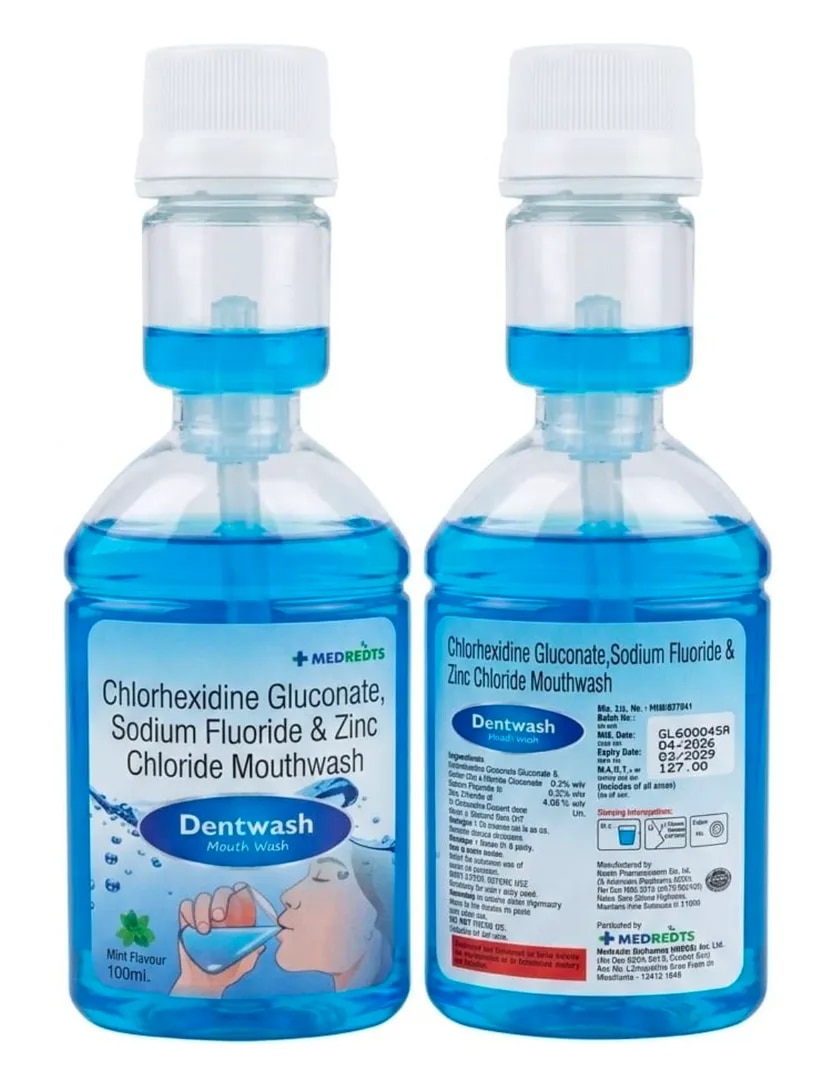
Medroots biopharma presents Dentwash (Chlorhexidine Gluconate + Sodium Fluoride + Zinc Chloride )is a combination of three medicines: Chlorhexidine Gluconate is an antiseptic.MEDROOTs biopharma is expanding its distribution network through PCD PHrma franchise in CHANDIGARH and other regions. It works by binding to the surface of teeth, inner cheeks and gums. This kills the infectious microorganisms that cause gum disease, ulcers and other mouth infections. Sodium Fluoride works by making the teeth stronger and preventing decay (cavity) caused by bacteria. Zinc Chloride has antiseptic and astringent action.Primary Health BenefitsReduces Plaque and Gingivitis: Therapeutic mouthwashes containing antibacterial agents like chlorhexidine, cetylpyridinium chloride (CPC), or essential oils help kill harmful bacteria and reduce plaque buildup. Regular use can significantly decrease gum inflammation and early-stage gum disease (gingivitis).Prevents Cavities and Strengthens Enamel: Mouthwashes with fluoride help remineralize tooth enamel, making it more resistant to acid attacks from bacteria and preventing tooth decay.Reaches Hard-to-Access Areas: Liquid rinses can flow into crevices between teeth, the back of the tongue, and along the gumline that toothbrushes cannot always reach.Soothes Oral Conditions: Specialized rinses can help heal canker sores, reduce pain from oral ulcers, and ease symptoms of dry mouth (xerostomia) by moistening oral tissues.Aids Post-Surgical Recovery: Dentists often prescribe antiseptic rinses after oral surgery to reduce the risk of infection and promote faster healing.Hygiene and Cosmetic BenefitsFreshens Breath: Both cosmetic and therapeutic mouthwashes temporarily mask or eliminate bad breath (halitosis) by killing odor-causing bacteria and neutralizing volatile sulfur compounds.Teeth Whitening: Some formulations contain low concentrations of hydrogen peroxide or carbamide peroxide, which can help reduce surface stains over time for a brighter smile.Removes Food Debris: Rinsing after meals helps dislodge food particles when immediate brushing is not possible, cutting the risk of immediate plaque formation.Usage ConsiderationsNot a Substitute: Mouthwash should be used as an adjunct to, not a replacement for, brushing and flossing.Timing Matters: Experts often suggest waiting 20–30 minutes after brushing to use mouthwash, as immediate rinsing can wash away the concentrated fluoride left by toothpaste..Age Restrictions: Children under the age of 6 should generally not use mouthwash unless directed by a dentist, as their swallowing reflex is not fully developed.